
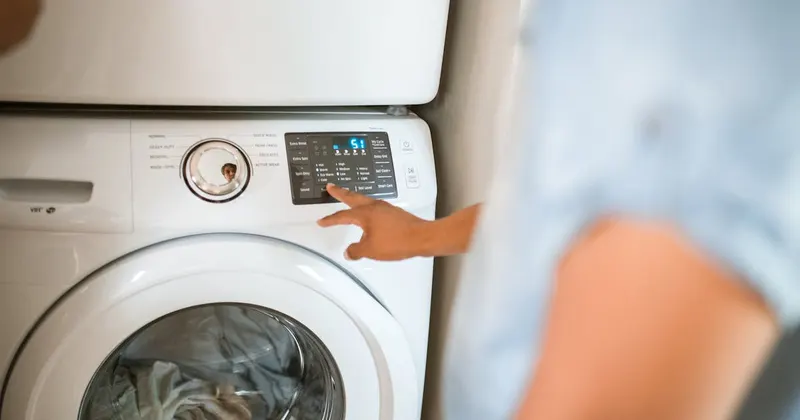
Your washing machine cleans your clothes, but what cleans your washing machine? Over time, detergent residue, fabric softener buildup, and moisture create a breeding ground for mold and mildew — especially inside front-load gaskets in North Houston's humid climate. A musty-smelling washer transfers odors directly to your clothes. This guide covers step-by-step deep cleaning methods for both front-load and top-load machines, using simple household ingredients you already have. Learn how often to clean, what causes the smell, and how to prevent it from coming back.
Why Your Washing Machine Needs Cleaning
It seems counterintuitive — a machine that uses soap and water should be self-cleaning. But it is not. Every wash cycle leaves behind traces of detergent, fabric softener, body oils, and dirt. In North Houston's warm, humid climate, this residue becomes a perfect environment for mold, mildew, and bacteria. The result is a musty smell that transfers to your supposedly clean laundry.
Front-load washers are especially prone to this problem. The rubber gasket around the door traps water after every cycle, and without proper ventilation, mold colonies can develop within days. But top-load machines are not immune — their agitator bases and drum walls accumulate the same buildup.
How to Deep Clean a Front-Load Washer
- Pull back the rubber door gasket and wipe all surfaces with a cloth soaked in a solution of equal parts white vinegar and water. Remove any visible mold or debris.
- Remove and clean the detergent dispenser drawer. Soak it in hot water with a tablespoon of baking soda for 15 minutes, scrub with an old toothbrush, and dry completely.
- Add two cups of white vinegar directly to the drum. Run an empty hot-water cycle on the longest setting.
- After the vinegar cycle completes, sprinkle half a cup of baking soda into the drum. Run another hot-water cycle.
- Wipe down the drum interior, door glass, and gasket with a dry microfiber cloth.
- Leave the door and detergent drawer open to air dry completely.
How to Deep Clean a Top-Load Washer
- Fill the drum with hot water on the largest load setting
- Add four cups of white vinegar and let the machine agitate for one minute, then pause the cycle and let it soak for one hour
- While soaking, dip a cloth in the vinegar water and wipe down the lid, rim, and exterior surfaces
- Resume and complete the cycle
- Start a second hot-water cycle, this time adding one cup of baking soda to the drum
- After the cycle completes, wipe the drum and agitator with a dry cloth
For machines with a self-clean or tub-clean cycle, you can use that setting instead of a normal hot-water cycle, but still add the vinegar and baking soda for maximum effectiveness.
Maintenance Schedule and Prevention
Clean your washing machine once a month to prevent buildup. Between deep cleans, follow these habits to keep odors and mold at bay:
- Use HE (high-efficiency) detergent in the recommended amount — excess detergent is the top cause of residue buildup
- Skip liquid fabric softener entirely — it coats drum walls and gaskets with a waxy film
- Remove wet laundry promptly after each cycle
- Wipe the door gasket and drum rim after every use
- Run one hot-water cycle per week even if you normally wash on cold
If your washing machine has a persistent odor that does not resolve after a thorough deep clean, the problem may be in the drain hose or pump filter. At that point, a professional appliance cleaning ensures every component is addressed.
Related Services
SparkTex Cleaners
Professional cleaning team serving North Houston. 64+ satisfied clients across 13 cities. Insured, background-checked teams with a 100% satisfaction guarantee.